Category: Medications - Page 3

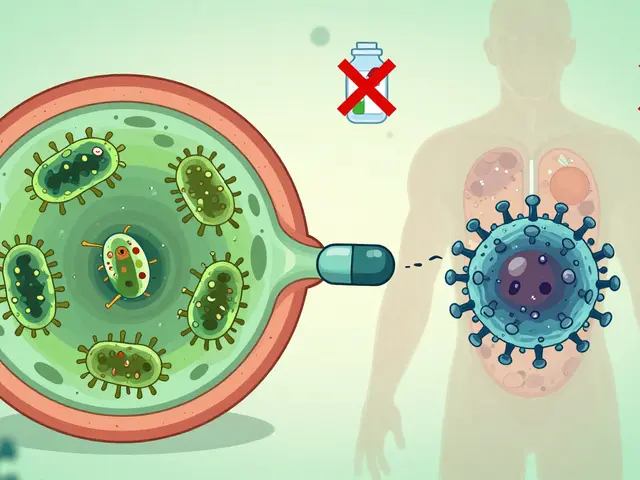
How to Document Provider Advice About Medications for Later Reference
Learn how to accurately document provider advice about medications to avoid errors, improve safety, and ensure continuity of care. Includes what to record, how to store it, and legal standards to follow.
view more
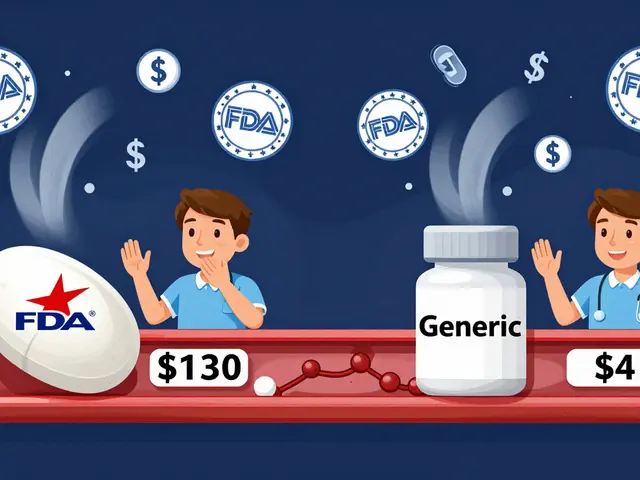
Biosimilar Approval: How the FDA Reviews Biologic Alternatives in 2026
The FDA's 2025 guidance streamlines biosimilar approval by replacing costly clinical trials with advanced analytical data, accelerating access to lower-cost biologic alternatives for cancer, arthritis, and diabetes. Learn how the process works and what's still holding it back.
view more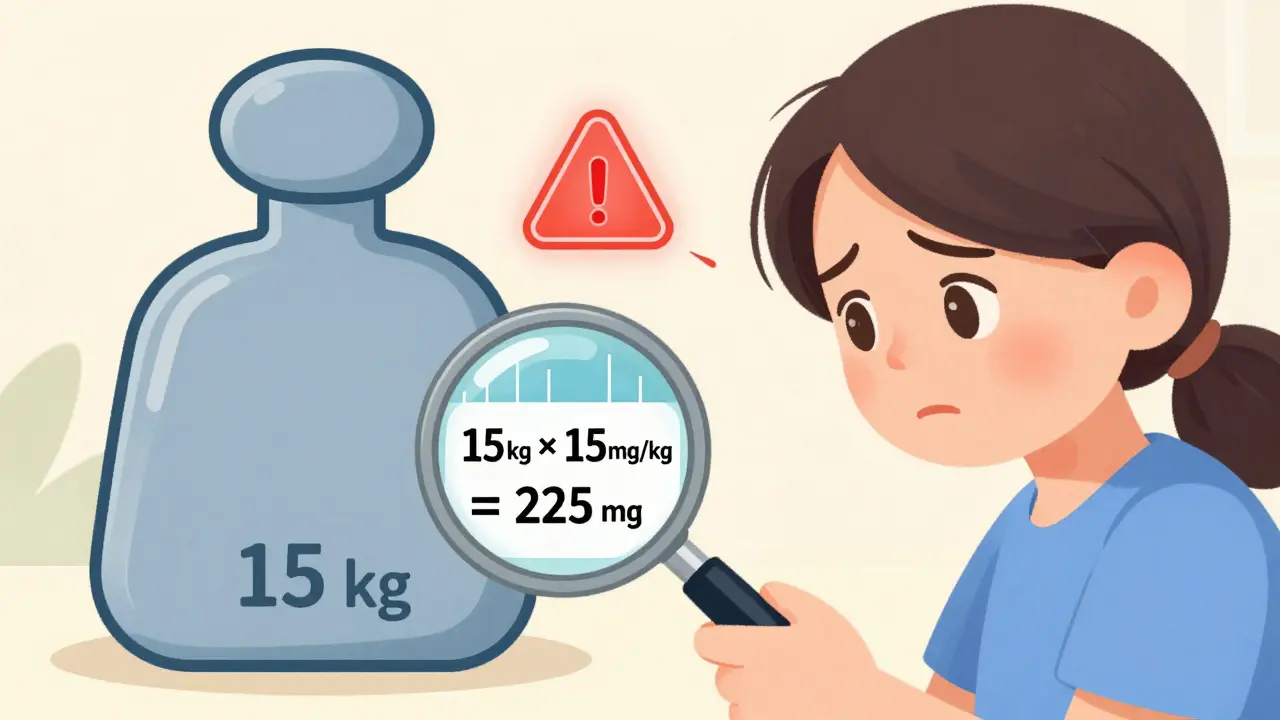
How to Confirm Pediatric Dosing on a Child’s Prescription Label: A Step-by-Step Safety Guide
Learn how to confirm pediatric dosing on a child’s prescription label to prevent dangerous medication errors. Step-by-step guide for parents and caregivers on weight-based calculations, concentration checks, and safety tips.
view more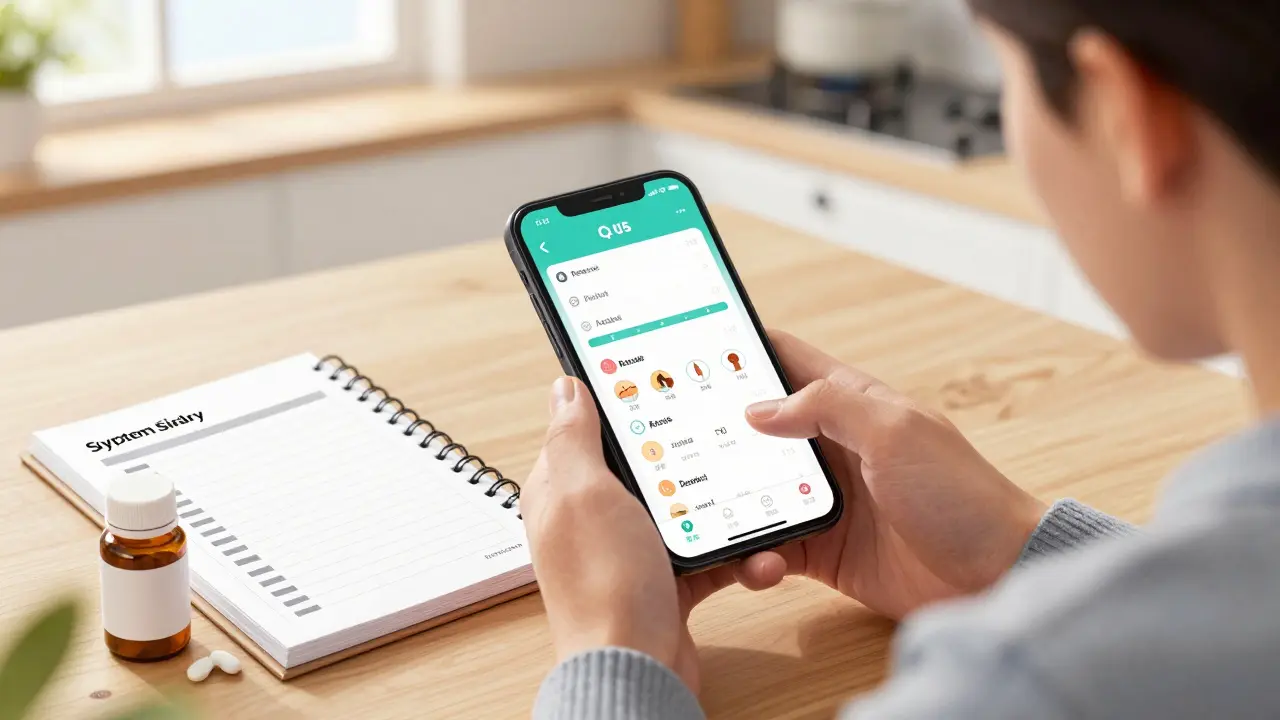
How to Keep a Symptom Diary for Suspected Drug Reactions
Learn how to track drug side effects with a symptom diary that helps doctors identify real reactions faster. Includes what to log, best tools, common mistakes, and when to seek help.
view more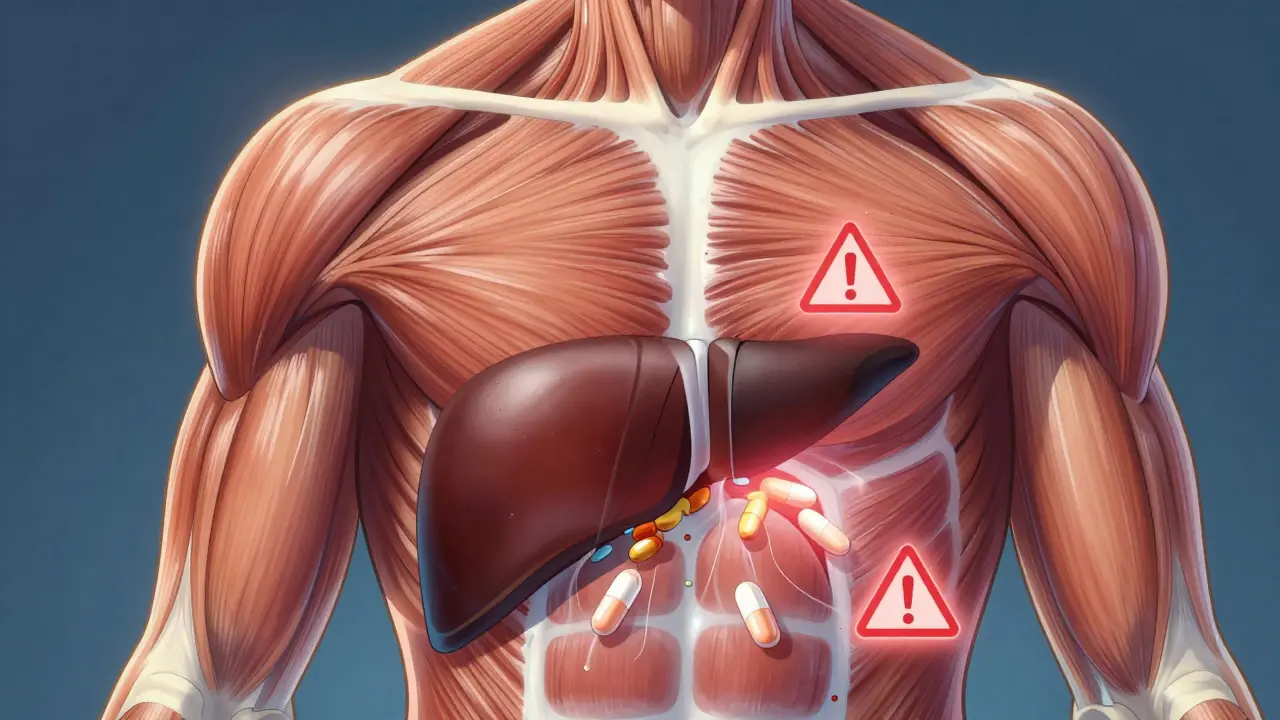
Statin Interactions That Increase Myopathy Risk: What You Need to Know
Statins reduce heart attack risk but can cause muscle damage when combined with certain drugs. Learn which statins and medications raise myopathy risk, how to spot symptoms, and safer alternatives.
view more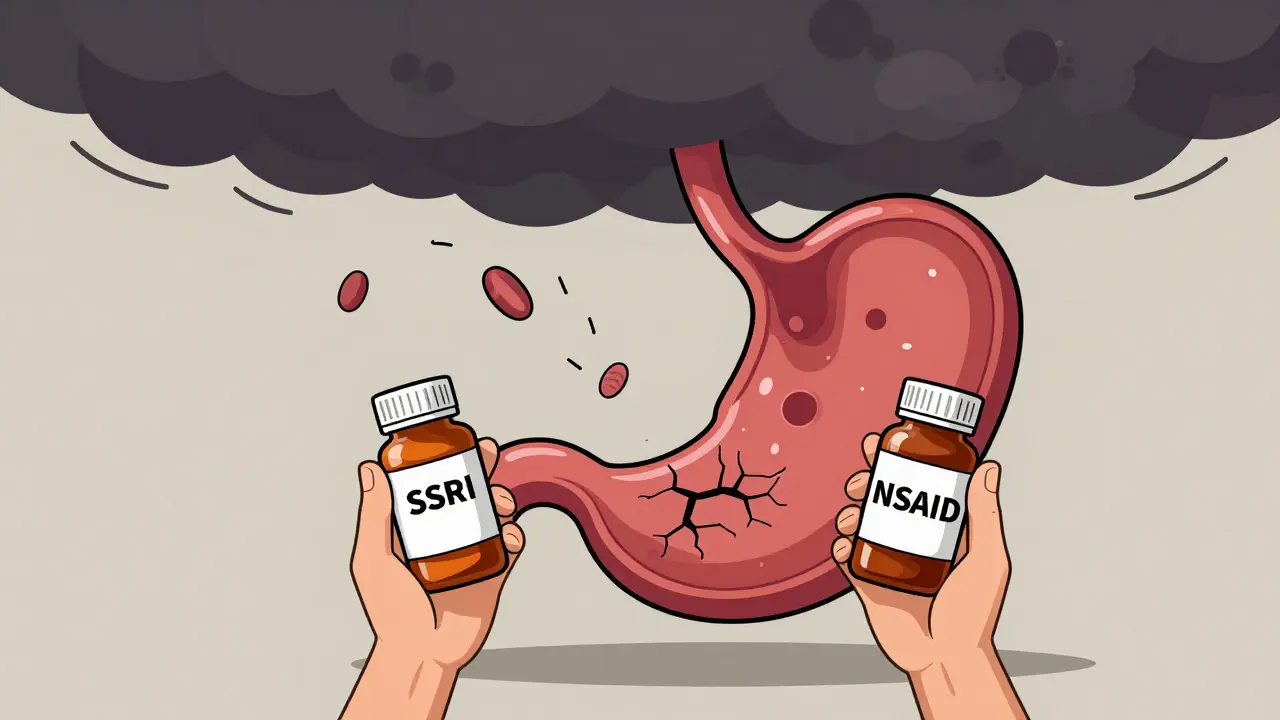
SSRIs with NSAIDs: How This Common Medication Combo Raises GI Bleeding Risk and What to Do
Combining SSRIs and NSAIDs significantly raises the risk of dangerous gastrointestinal bleeding. Learn why this common drug combo is risky, who’s most vulnerable, and what steps to take to stay safe - including safer pain relief options and when to use protective medication.
view more
Shortage mitigation strategies: what health systems are doing to fight drug shortages
Health systems are using AI, regional sharing, alternative formulations, and care redesign to combat drug shortages. Here’s what’s working-and what’s still failing-in 2025.
view more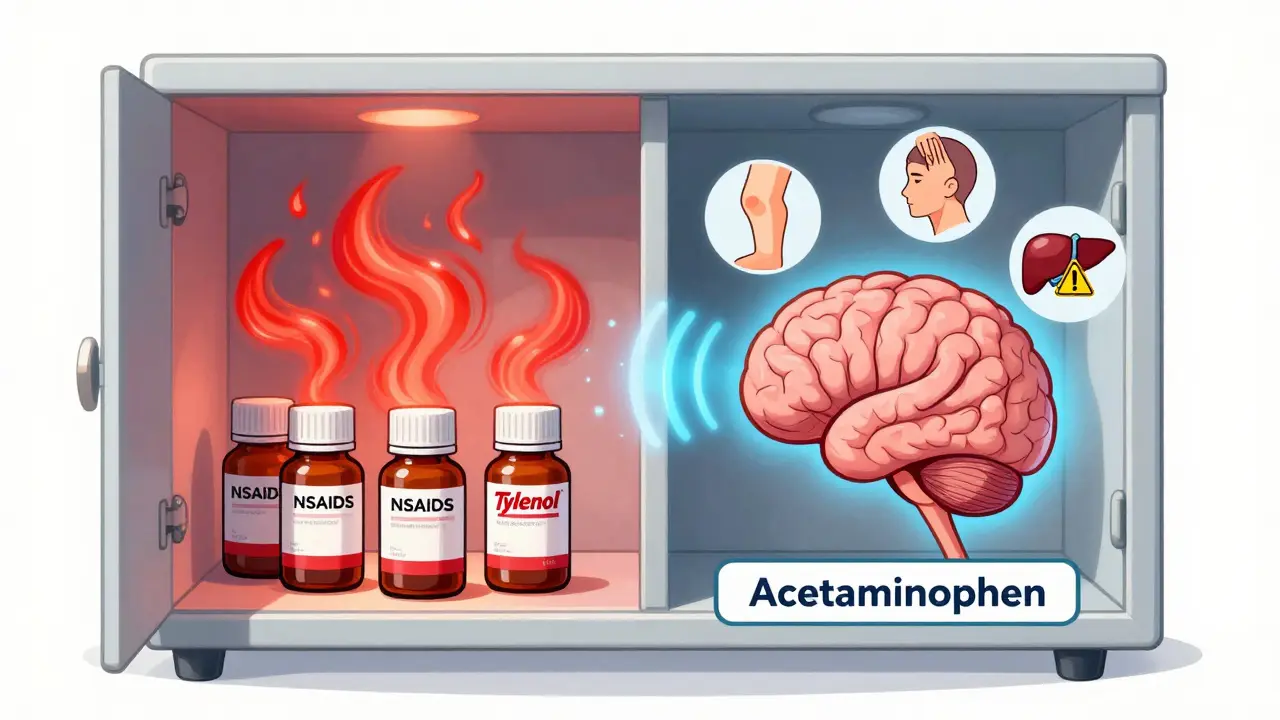
NSAIDs vs. Acetaminophen: Which Pain Relief Is Right for You?
NSAIDs and acetaminophen both relieve pain, but they work differently. Learn which is better for inflammation, headaches, arthritis, and long-term use-and how to avoid dangerous mistakes.
view more
Paroxetine and Weight Gain: How to Manage Metabolic Side Effects
Paroxetine can cause significant weight gain, especially after 6 months of use. Learn why this happens, how it compares to other antidepressants, and what you can do to manage or reverse it.
view more
Warfarin Food Interactions: Complete Food List and Guidelines for Safe Use
Learn which foods affect warfarin, how to eat safely without giving up greens, and what drinks and supplements to avoid. Get the real food list and practical tips to keep your INR stable.
view more