
Paroxetine Weight Gain Estimator
Weight Gain Estimator
Estimate how much weight you might gain on paroxetine based on clinical studies
Comparison with other antidepressants
| Antidepressant | Typical Weight Change | Long-Term Risk |
|---|---|---|
| Paroxetine (Paxil) | +3.6% average | High — increases over time |
| Sertraline (Zoloft) | +1.0% average | Low |
| Fluoxetine (Prozac) | −0.2% to +0.5% | Very low |
| Bupropion (Wellbutrin) | −1% to −3% | Weight loss common |
Important Note: This calculator is based on clinical study averages. Individual results may vary significantly based on your metabolism, genetics, diet, and activity levels. The FDA has labeled paroxetine as "high risk" for weight gain — the only SSRI with this designation.
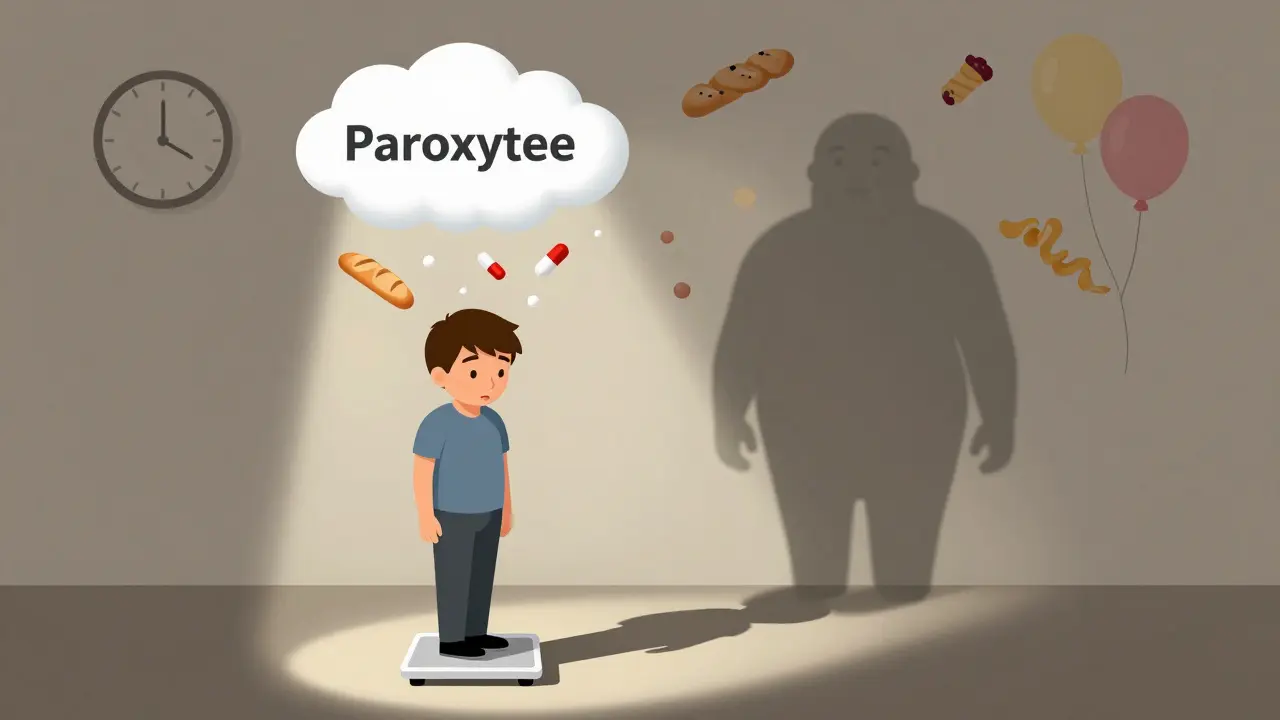
Many people start paroxetine - sold under brand names like Paxil or Seroxat - because it works. It eases anxiety, lifts depression, and helps people feel like themselves again. But months in, something unexpected happens: the scale creeps up. Not a pound or two. Sometimes 10, 20, even 40 pounds. And it’s not because they’ve stopped exercising or started eating junk. For many, the weight gain is a direct side effect of the drug itself.
Why Paroxetine Causes Weight Gain
Paroxetine is an SSRI, a type of antidepressant that boosts serotonin in the brain. That’s good for mood, but serotonin also plays a role in appetite, metabolism, and how your body stores fat. When serotonin levels stay high for too long, your brain starts sending mixed signals. You might crave carbs more than usual. You might feel tired, so you move less. Your body might slow down how quickly it burns calories. Studies show this isn’t just a rumor. A 2014 study in the Journal of Clinical Psychiatry found that 25.5% of people taking paroxetine gained at least 7% of their body weight over six months. Compare that to sertraline (Zoloft), where only 4.2% saw that level of gain - or fluoxetine (Prozac), where it was just 6.8%. That’s not a small difference. It’s a clear pattern. The longer you take paroxetine, the worse it gets. In the first few weeks, most people don’t notice much change. But after six months, weight gain becomes common. One long-term study followed patients for over two years and found an average gain of 3.5 pounds - but 14.5% of them gained more than 7% of their starting weight. That’s 10+ pounds for someone who weighs 150.How Much Weight Do People Actually Gain?
Numbers matter here. Let’s put it in real terms. - A 150-pound person on paroxetine might gain around 5.4 pounds over several months, based on clinical averages. That’s roughly 3.6% of body weight. - On sertraline? About 1.5 pounds. On fluoxetine? Often no gain at all - sometimes even a slight loss. - Some patients report gains of 20-30 pounds over 1-3 years. One Reddit user lost 25 pounds after switching from paroxetine to Zoloft - without changing diet or exercise. GoodRx analyzed over 1,450 patient reviews and found that 32% listed weight gain as a side effect. That’s more than one in three. And it’s not just about calories. Many describe intense cravings for bread, pasta, and sweets - even when they’re eating the same amount as before.Who’s Most at Risk?
Not everyone gains weight on paroxetine. Some people stay the same. One user on Reddit said they’d been on 40mg for five years and hadn’t gained a pound. But for others, the risk is much higher. Women report weight gain more often than men - possibly because of how serotonin affects female metabolism and appetite regulation. People with a higher starting BMI (25 or above) are also more likely to see significant gains. Those with prediabetes or metabolic syndrome are especially vulnerable. The American Diabetes Association now warns that paroxetine can worsen insulin resistance and increase fat storage around the waist. Genetics also play a role. New research from the STAR*D trial found that people with certain variations in the 5-HT2C serotonin receptor gene are far more likely to gain weight on paroxetine. This could mean future doctors will test your DNA before prescribing it - but for now, we work with what we have.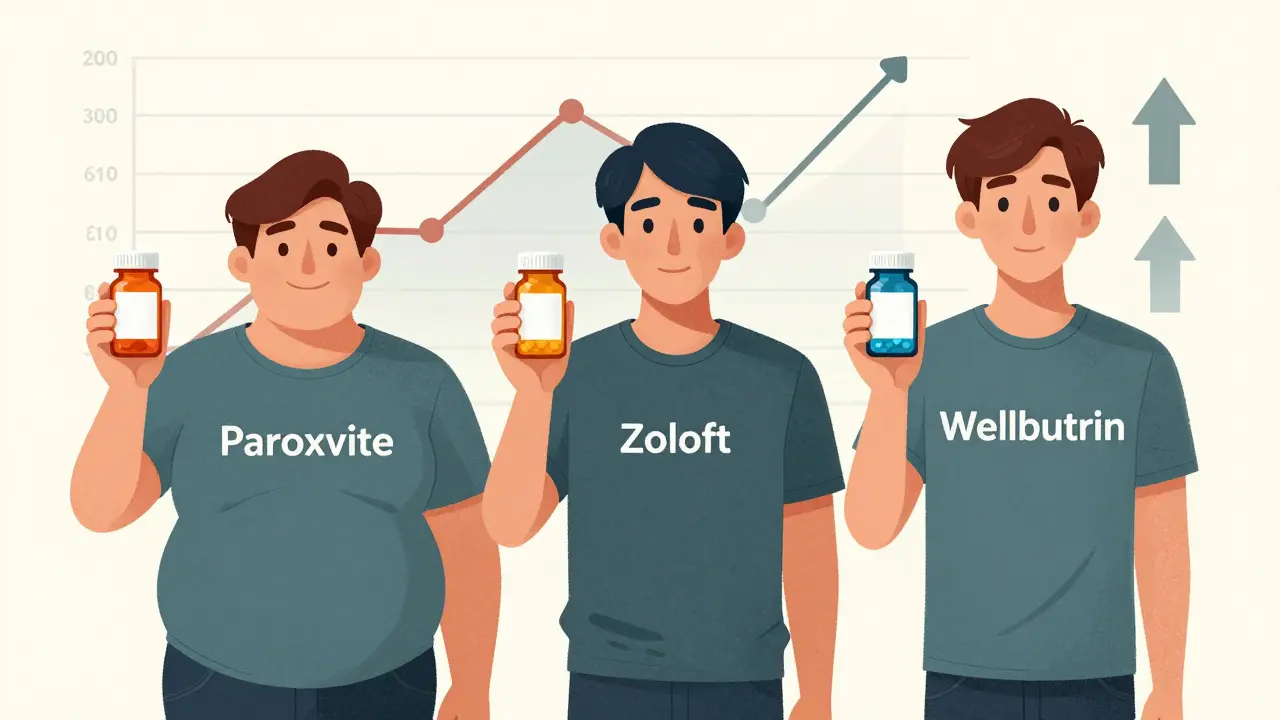
Paroxetine vs. Other Antidepressants
Not all antidepressants are equal when it comes to weight. Here’s how paroxetine stacks up:| Medication | Typical Weight Change | Long-Term Risk |
|---|---|---|
| Paroxetine (Paxil) | +3.6% average | High - increases over time |
| Sertraline (Zoloft) | +1.0% average | Low |
| Fluoxetine (Prozac) | −0.2% to +0.5% | Very low |
| Bupropion (Wellbutrin) | −1% to −3% | Weight loss common |
| Mirtazapine (Remeron) | +4% to +7% | High - especially early on |
| Venlafaxine (Effexor) | Neutral | Minimal |
Paroxetine sits at the top of the list. Bupropion is the only common antidepressant that often leads to weight loss. That’s why doctors sometimes switch patients from paroxetine to bupropion - especially if weight gain is a major concern.
What to Do If You’re Gaining Weight
You don’t have to just accept it. There are real, evidence-backed ways to manage this. 1. Track your weight regularly. Weigh yourself once a week at the same time. If you gain more than 2-3 pounds in a month, talk to your doctor. Don’t wait until it’s 20 pounds. 2. Move more - even if you’re tired. Aim for 150 minutes of walking, swimming, or cycling each week. Exercise doesn’t just burn calories - it helps regulate serotonin and reduces cravings. One study showed that people on paroxetine who walked 30 minutes a day gained 40% less weight than those who didn’t. 3. Adjust your diet. Cut back on refined carbs - white bread, pasta, sugary snacks. These spike blood sugar and trigger more cravings. Focus on protein, fiber, and healthy fats. A 2023 study found that time-restricted eating (eating only within an 8-hour window each day) cut paroxetine-related weight gain by 62%. 4. Talk about switching meds. If you’ve been on paroxetine for more than six months and are gaining weight, ask your doctor about alternatives. Switching to fluoxetine or bupropion often leads to weight loss - sometimes 5-10 pounds in just a few months. That’s not magic. It’s reversing the drug’s metabolic effect. 5. Consider metformin. This diabetes medication is sometimes prescribed off-label to counteract antidepressant weight gain. A 2014 study showed patients on paroxetine who took metformin gained 2.3 kg (5 pounds) less over 24 weeks than those who didn’t. It’s not for everyone, but it’s an option if lifestyle changes aren’t enough.When to Consider Stopping Paroxetine
Paroxetine works well for anxiety and depression. But if the cost is your health - your waistline, your energy, your confidence - it’s worth reevaluating. The American Psychiatric Association now advises avoiding paroxetine in patients with a BMI over 25 or those with metabolic syndrome. If you’re struggling with weight gain and your depression is under control, switching may be the smarter long-term move. Don’t quit cold turkey. Paroxetine has a short half-life, so stopping suddenly can cause dizziness, nausea, or brain zaps. Work with your doctor to taper slowly - over weeks or months - while transitioning to a better-suited medication.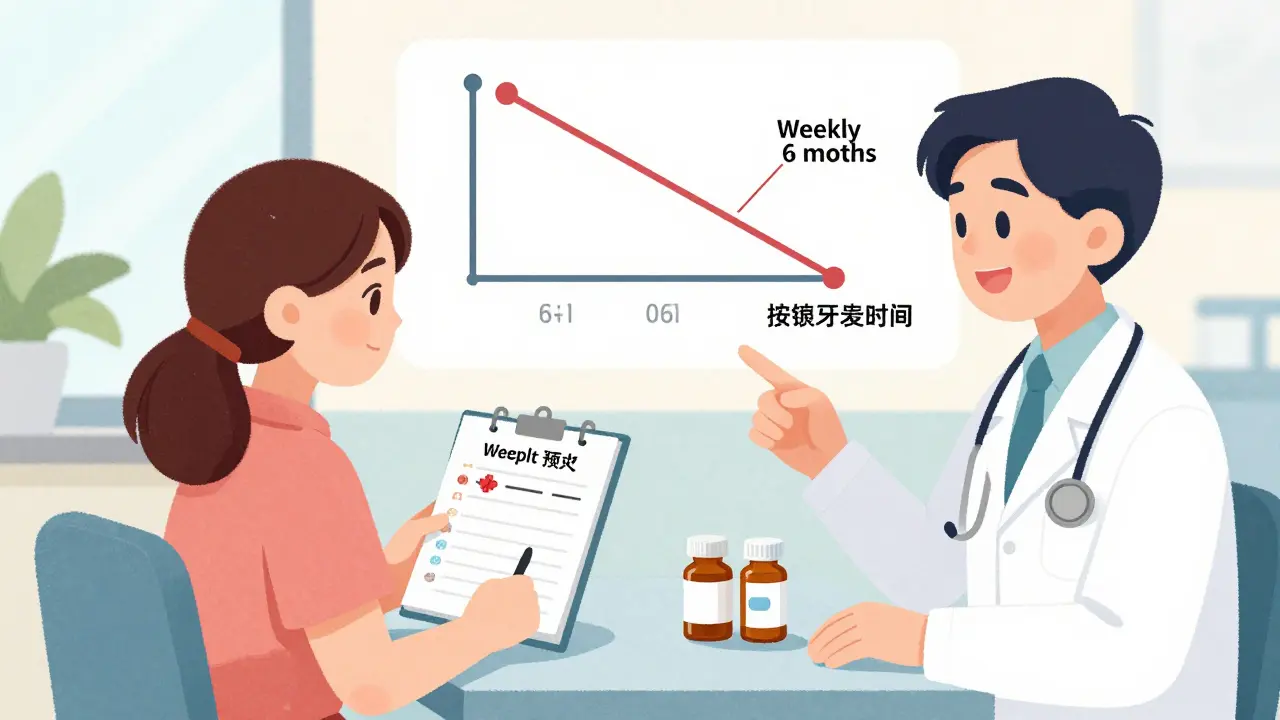
What’s Changing in 2025?
The FDA updated its guidelines in 2021 to label paroxetine as “high risk” for weight gain - the only SSRI with that designation. In 2024, new treatment guidelines from the American Psychiatric Association now include metabolic health as a key factor in choosing antidepressants. Prescriptions for paroxetine have dropped 42% since 2010. Meanwhile, sertraline and escitalopram use has soared. That’s not because they’re more effective. It’s because they’re less likely to make you gain weight. The future might include genetic testing to predict who’ll gain weight on paroxetine. But for now, the best tool is awareness - and action.Real Talk: What Patients Are Saying
“I gained 40 pounds on Paxil. I was eating salads, working out three times a week - nothing changed. When I switched to Zoloft, I lost 25 pounds in six months. It felt like I got my body back.” - Sarah, 34, Birmingham “I was on paroxetine for anxiety for three years. I didn’t realize how much I’d gained until I tried on jeans I hadn’t worn since college. My doctor said it was the medication. I switched to bupropion. I’ve lost 18 pounds and feel more like myself than I have in years.” - Mark, 41 “I didn’t gain weight, but my sister did. We’re the same age, same height, same diet. She’s on paroxetine. I’m on sertraline. The difference? 30 pounds.” - Lisa, 29Final Thoughts
Paroxetine isn’t a bad drug. For many, it’s life-changing. But weight gain isn’t a minor side effect - it’s a metabolic shift with real consequences. It can lower self-esteem, increase risk for diabetes, and make mental health recovery harder. If you’re on paroxetine and noticing the scale moving up, don’t blame yourself. Don’t assume you’re not trying hard enough. Talk to your doctor. Track your weight. Adjust your habits. Consider alternatives. You don’t have to choose between feeling better mentally and feeling better physically. There’s a better path.Does everyone gain weight on paroxetine?
No. While about 25% of users gain 7% or more of their body weight, others see no change at all. Genetics, metabolism, diet, and activity levels all play a role. Some people stay the same weight for years on paroxetine, while others gain quickly. It’s unpredictable - but not rare.
How long does it take to gain weight on paroxetine?
Most people don’t notice changes in the first 4-12 weeks. Weight gain typically becomes noticeable after 3-6 months and continues to increase with longer use. The biggest gains happen after six months, which is why long-term users are at highest risk.
Can I lose the weight after stopping paroxetine?
Yes. Many people lose 5-15 pounds after switching to a different antidepressant like fluoxetine or bupropion, even without changing their diet or exercise. The body often reverses the metabolic slowdown once the drug is out of the system. It can take 2-6 months, but it’s common.
Is there a safer SSRI for weight management?
Fluoxetine (Prozac) and sertraline (Zoloft) are the two safest SSRIs when it comes to weight. Fluoxetine is often neutral or slightly weight-reducing. Sertraline causes minimal gain - about one-third of what paroxetine does. Both are preferred for patients concerned about metabolic side effects.
Should I avoid paroxetine if I’m overweight?
If your BMI is 25 or higher, or if you have prediabetes or high cholesterol, doctors now recommend avoiding paroxetine as a first choice. The risk of worsening metabolic health is too high. Sertraline, escitalopram, or bupropion are better starting options. Always discuss your full health history with your prescriber.
Can diet and exercise prevent paroxetine-related weight gain?
They can help - but not always stop it. Studies show that regular exercise and time-restricted eating (eating within an 8-hour window) reduce weight gain by up to 62%. But for some, the drug’s effect is strong enough that lifestyle changes alone aren’t enough. That’s why medication switching is often the most effective solution.



13 Comments
Switching to sertraline or bupropion often reverses it.
no diet no gym just meds changed
life is better now
switched to Zoloft and lost 22 lbs in 5 months without trying
thank you for validating what so many of us feel but don’t talk about 💛
It felt like my body finally breathed again.