Ciprofloxacin: What It Is, How It Works, and What You Need to Know
When you hear ciprofloxacin, a broad-spectrum antibiotic used to treat serious bacterial infections. Also known as Cipro, it's one of the most prescribed antibiotics for things like urinary tract infections, pneumonia, and even anthrax exposure. But it’s not a cure-all — and using it wrong can do more harm than good. This isn’t just another pill you pop when you feel under the weather. Ciprofloxacin belongs to a class called fluoroquinolones, and it works by stopping bacteria from making DNA, which stops them from multiplying. That’s powerful — but it’s also why doctors don’t hand it out like candy.
One big reason ciprofloxacin gets attention is because of how it interacts with other drugs. If you’re taking antacids with magnesium or aluminum, iron supplements, or even dairy products, they can block its absorption and make it useless. That’s why you’re told to take it two hours before or after meals. And it’s not just about food — mixing it with steroids can raise your risk of tendon rupture, especially if you’re over 60 or active in sports. Even caffeine can get amplified, leaving you jittery or unable to sleep. These aren’t side effects you can ignore. The FDA has issued black box warnings for ciprofloxacin because of rare but serious risks like nerve damage, tendon tears, and even aortic aneurysms. It’s not that the drug is dangerous — it’s that it’s strong, and strength needs respect.
What you won’t find in the bottle is how much your gut bacteria matter. Antibiotics like ciprofloxacin don’t just kill bad bacteria — they wipe out the good ones too. That’s why so many people end up with diarrhea, yeast infections, or long-term digestive issues after a course. Some studies show it can take months for your microbiome to recover. And here’s the scary part: overuse is fueling antibiotic resistance. More and more infections are becoming untreatable because we’ve used drugs like ciprofloxacin too freely — for colds, sore throats, or even as a precaution when it’s not needed. That’s why doctors now hold off unless they’re sure it’s a bacterial infection, not a virus.
There’s a reason you’ll see posts here about polypharmacy, drug interactions, and lab monitoring — ciprofloxacin doesn’t exist in a vacuum. If you’re on blood thinners, diabetes meds, or even antidepressants, it can change how they work. That’s why tracking what you’re taking matters. And if you’re older, have kidney problems, or are taking other meds long-term, you need to be extra careful. This isn’t about fear — it’s about being smart.
Below, you’ll find real-world guides that connect the dots between ciprofloxacin and the bigger picture: how antibiotics affect your body, how to spot dangerous combinations, why some people react badly, and how to use these drugs safely without risking your health. These aren’t theoretical discussions — they’re based on what patients actually experience and what doctors are learning now. Whether you’re taking ciprofloxacin right now, have taken it in the past, or just want to understand why your doctor hesitates before prescribing it, the information here will help you make better decisions — not just today, but for every antibiotic you ever take.
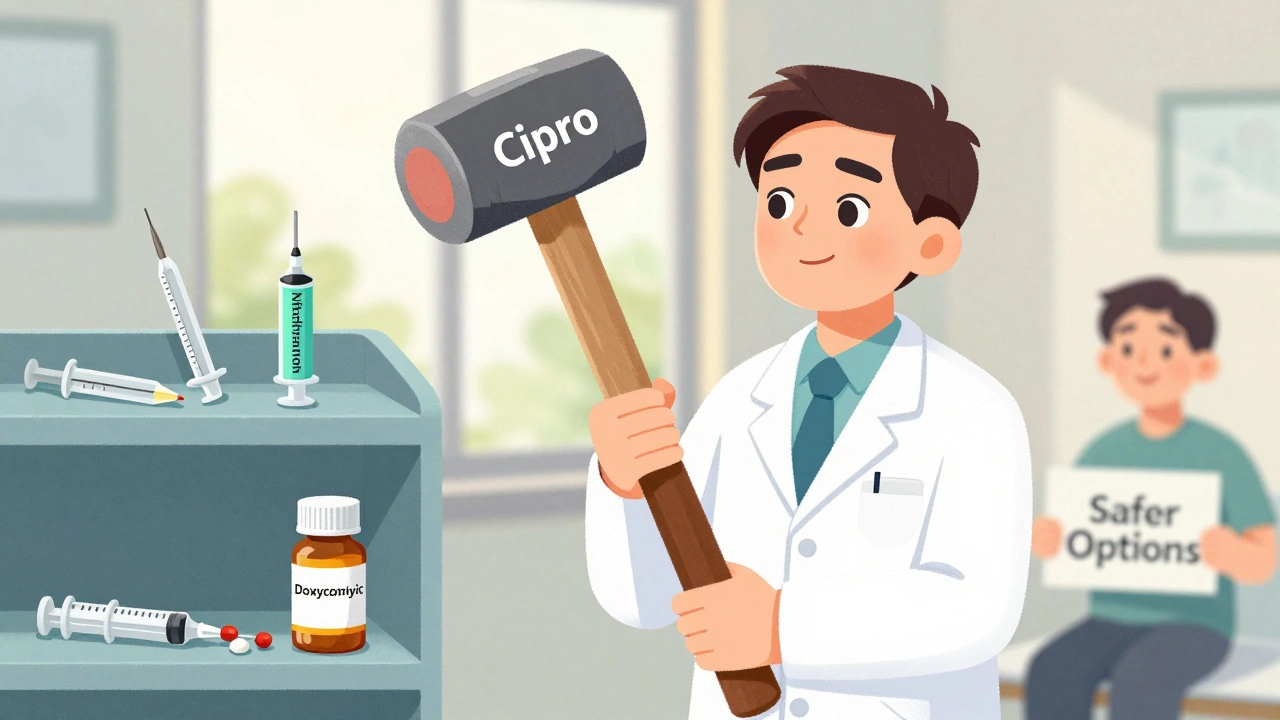
Cipro vs Alternatives: What Works Best for Infections in 2025
Cipro (ciprofloxacin) is no longer the first choice for most infections. Learn safer, equally effective alternatives for UTIs, sinus infections, and more in 2025-and when Cipro is still necessary.
view more