
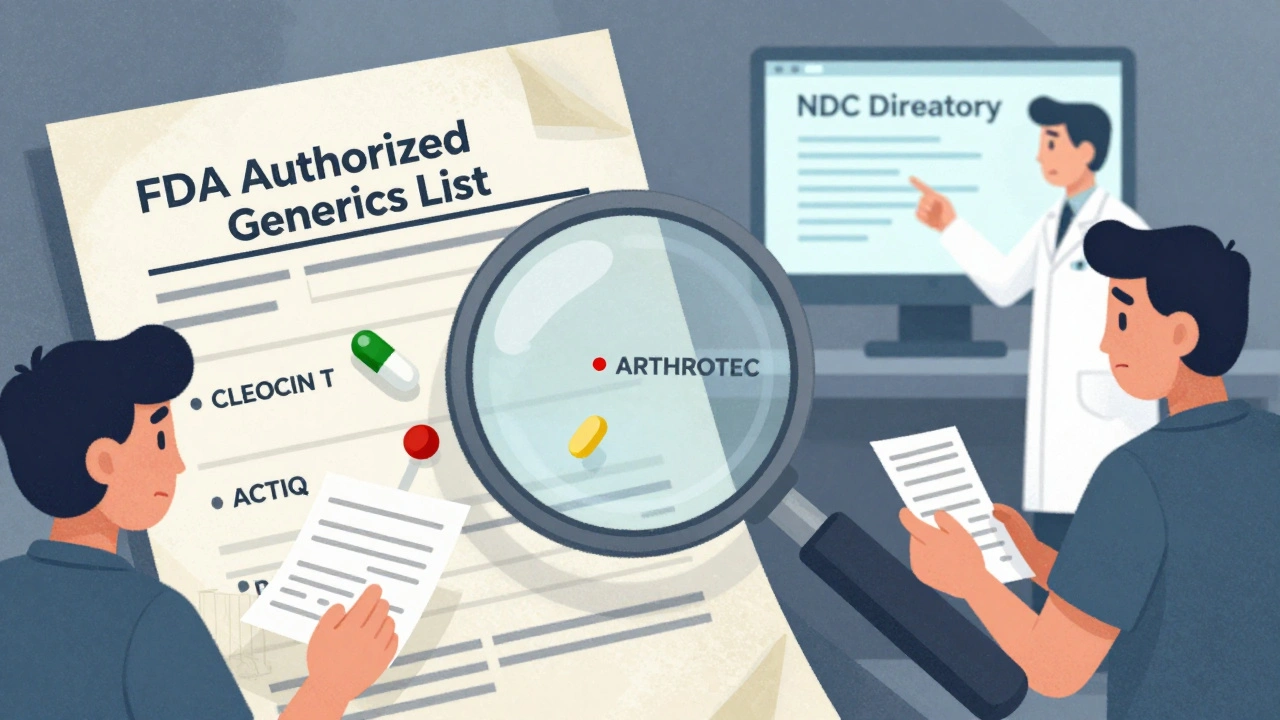
When you're looking for a cheaper version of a brand-name drug, you might assume all generics are the same. But there's a special kind of generic-called an authorized generic-that's actually made by the same company that makes the brand-name version. It's the exact same pill, same factory, same ingredients. The only difference? No brand name on the label. And if you're trying to find out which ones are available, the FDA keeps the only official list. But here’s the catch: it’s not as simple as just searching and buying.
What Exactly Is an Authorized Generic?
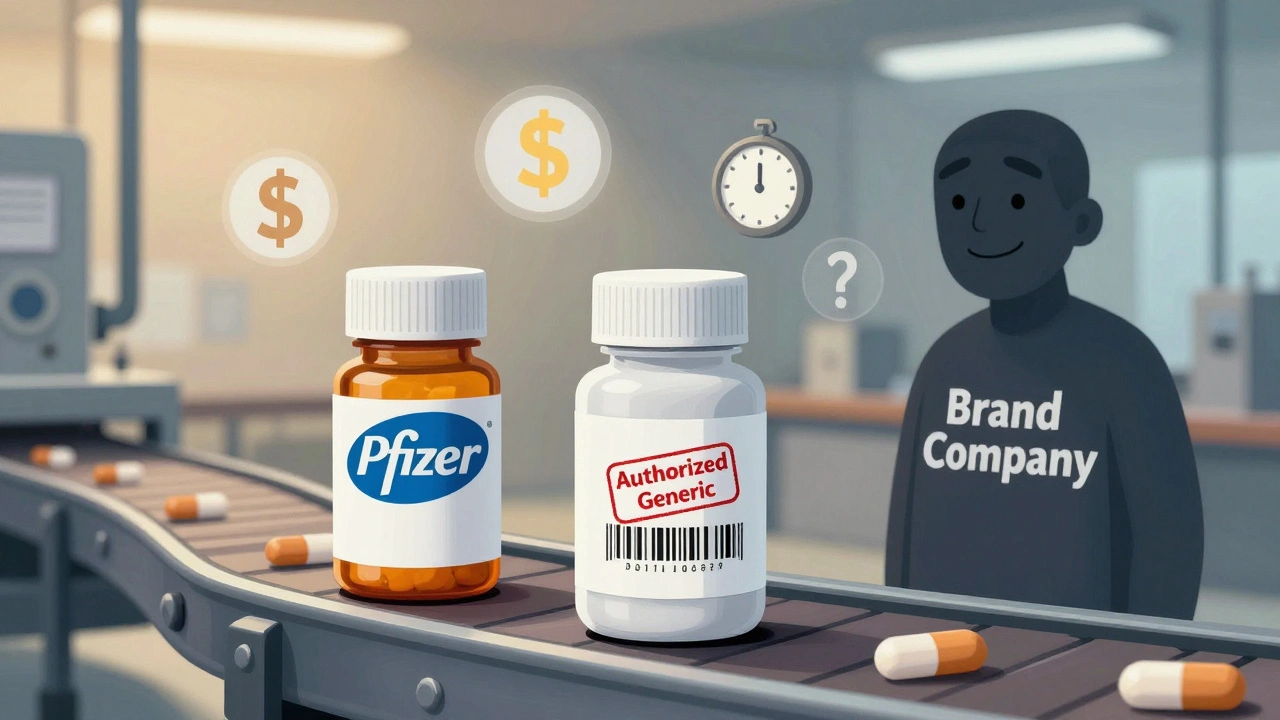
An authorized generic isn’t a copycat. It’s the real thing-just sold without the brand name. For example, if you take CLEOCIN T, a brand-name acne gel made by Pfizer, the authorized generic version is identical. Same active ingredient, same dosage, same manufacturing line. The only change is the label. It might look different-different color, different markings-but inside? Same drug.
The FDA defines it clearly: an authorized generic is a drug marketed under the original brand’s New Drug Application (NDA), not under a separate generic approval (ANDA). That’s why you won’t find it in the Orange Book, which tracks traditional generics. It’s not a competitor to the brand-it’s a tool the brand uses to compete with other generics.
Why does this matter? Because when a brand faces a generic competitor, it can launch its own authorized generic at the same time. This often drives down prices faster than a single generic could. But it also means the brand keeps a piece of the market, even as it lets others enter. It’s a strategic move, and the FDA tracks it because it affects how drugs are priced and accessed.
Where to Find the Official FDA List
The only place to get the full, legal list of authorized generics is on the FDA’s website. Go to fda.gov/drugs/abbreviated-new-drug-application-anda/fda-list-authorized-generic-drugs. That’s the official page. Don’t rely on third-party sites, pharmacy apps, or Google results-they’re often outdated or incomplete.
On that page, you’ll find a link to a PDF file. It’s not a searchable database. It’s a static document, updated every three months. As of October 10, 2025, it’s a 1.09 MB file with over 850 entries. Each row shows: the brand name, the dosage form (tablet, gel, capsule), the strength, the manufacturer (the brand company), and the date the authorized generic entered the market.
Examples from the list include:
- ACTIQ lozenges (1200 mcg, made by Cephalon, LLC, entered Sept. 26, 2006)
- ARTHROTEC tablets (50 mg/200 mcg, made by Pfizer Inc., entered Nov. 1, 2012)
- CLEOCIN T topical gel (1%, made by Pfizer, entered June 11, 2003)
These aren’t random drugs. They’re high-cost brand-name products that faced generic competition-and the brand responded by launching its own version.
What the List Doesn’t Tell You
Here’s where most people get tripped up. The FDA list doesn’t tell you if the drug is still being sold. It doesn’t show current pricing. It doesn’t say which pharmacies carry it. And it doesn’t update in real time.
The "Date Authorized Generic Entered Market" field? That’s not the exact day it hit shelves. It’s the date range covered in the manufacturer’s annual report. Many companies don’t report the exact launch date-just that it happened sometime during the year. So if you see "June 2023," it could mean March or October 2023.
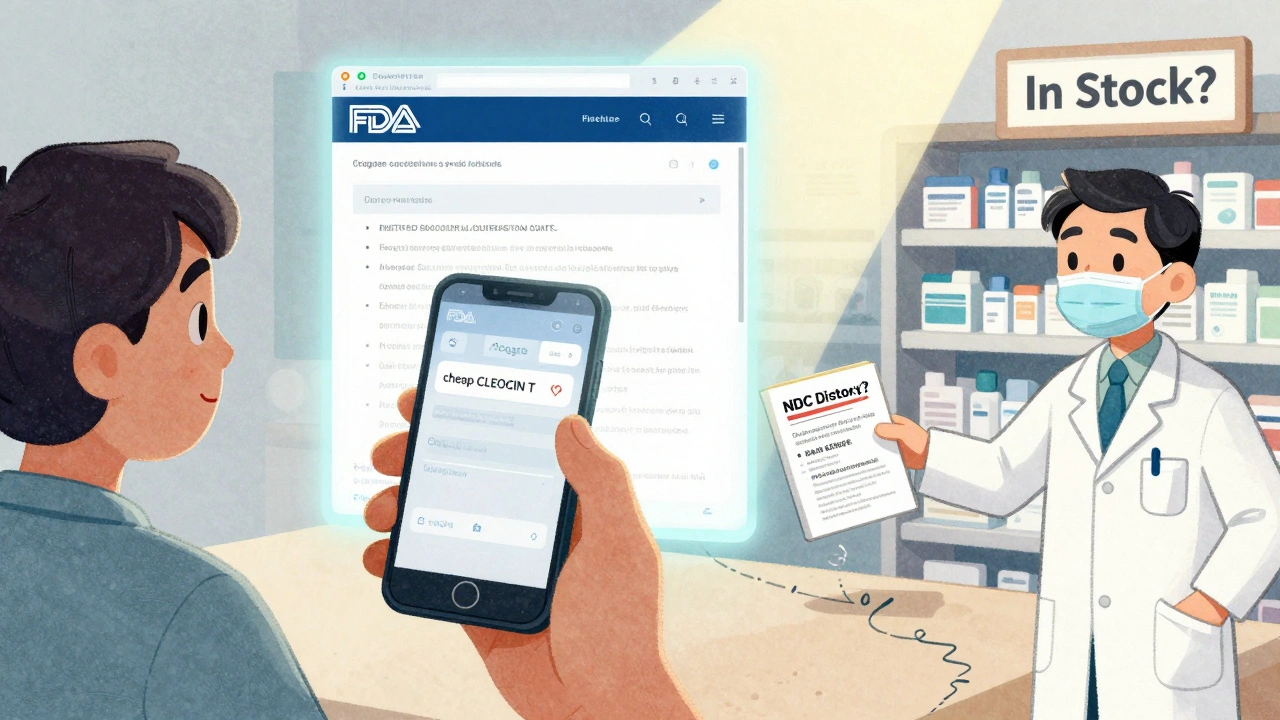
And here’s the biggest gap: the FDA admits it doesn’t track whether a product is still on the market. A drug might have been listed in 2021 but discontinued in 2023. The list won’t tell you that. That’s why pharmacists and insurers often rely on commercial databases like IQVIA or NDC Directory to confirm availability.
One independent pharmacist in Texas told me he checked eight authorized generics from the FDA list last month. Five weren’t available through his wholesaler. He had to call distributors directly to find out what was actually in stock.
How This List Is Different From the Orange Book and Drugs@FDA
Many people confuse the FDA’s authorized generics list with two other tools: the Orange Book and Drugs@FDA.
- Orange Book: Tracks therapeutic equivalence of traditional generics approved under ANDAs. It tells you if a generic is bioequivalent to the brand. But it doesn’t list authorized generics at all.
- Drugs@FDA: Shows approval history for all drugs-brand and generic. You can find if a drug was approved, but it won’t tell you if it’s an authorized generic.
- FDA Authorized Generics List: Only place that lists drugs made by brand companies but sold without the brand name. No therapeutic equivalence ratings. Just pure identification.
If you’re trying to find a cheaper alternative, you need to check all three. The Orange Book tells you what generics are approved. Drugs@FDA tells you the history. The authorized generics list tells you if the brand itself is selling a cheaper version.
Who Uses This List and Why
This isn’t just for patients. It’s used by:
- Pharmacists looking for lower-cost options for patients
- Insurers and PBMs negotiating drug prices
- Pharmaceutical analysts tracking market competition
- Regulators like the FTC, which has studied how authorized generics affect pricing
According to a 2023 study in Health Affairs, 854 authorized generics launched between 2010 and 2019. That’s more than double the number from 2001 to 2008. Pfizer, Teva, and Viatris (formerly Mylan) are the top three manufacturers on the list.
But here’s the tension: while the FTC says authorized generics help prevent price gouging during the 180-day exclusivity window, critics argue they often don’t save patients much money. Harvard’s Dr. Aaron Kesselheim found that many authorized generics are priced just slightly below the brand-sometimes only 5-10% cheaper. That’s not enough for many patients to switch, especially if they’re used to the brand name.
How to Use the List in Real Life
If you’re a patient or caregiver:
- Find the brand-name drug you’re taking.
- Go to the FDA’s authorized generics page and search the PDF for that brand name.
- If you find a match, note the manufacturer and strength.
- Call your pharmacy and ask: "Do you carry the authorized generic version of [brand name]?" Give them the manufacturer name.
- If they don’t have it, ask if they can order it. Many wholesalers carry it but don’t stock it unless requested.
If you’re a healthcare provider or pharmacist:
- Use the FDA list to identify potential lower-cost alternatives.
- Verify availability using the NDC Directory (fda.gov/drugs/drug-approvals-and-databases/national-drug-code-directory).
- Check commercial databases like IQVIA for current market status.
- Don’t assume availability just because it’s on the FDA list.
- Report discrepancies to [email protected].
Industry experts recommend pairing the FDA list with weekly NDC deactivation reports from major wholesalers. That’s the only way to know what’s actually on shelves.
What’s Coming Next
The FDA says it’s working on a better system. By mid-2026, the static PDF will be replaced with a searchable, online database. That’s a big step forward. Right now, finding a drug means downloading a PDF, opening it in Adobe, and using Ctrl+F. No filters. No sorting. No updates between quarterly releases.
The FTC also raised concerns in 2024: up to 15% of authorized generics may not be reported at all. Some manufacturers skip the annual report requirement because there’s no penalty for not filing. That means the list isn’t perfect-and may never be.
Still, it’s the only official source we have. And for now, it’s the best starting point to understand what’s out there.
Final Thoughts
The FDA’s authorized generics list isn’t a shopping guide. It’s a transparency tool. It tells you which companies are offering their own brand drugs under a different label. It doesn’t tell you where to buy them, how much they cost, or if they’re still being made.
But if you’re trying to save money on prescriptions, it’s worth the 15 minutes it takes to check. You might find that the drug you’ve been paying $150 for has an authorized generic version made by the same company-for $40. And that’s not a rumor. That’s on the FDA’s list.
Just don’t stop there. Follow up. Call your pharmacy. Ask for the manufacturer. Check the NDC. Because in the world of drug pricing, the official list is only the first step.


11 Comments
So let me get this straight - the brand makes the exact same pill, just removes the logo, and calls it a ‘generic’? That’s like McDonald’s selling a burger without the golden arches and calling it ‘a sandwich.’ Same beef, same bun, same grease - just cheaper packaging. And we’re supposed to be thrilled? The system’s rigged, folks. The FDA’s just documenting the corporate shell game.
Oh, sweet mercy. Another ‘transparency tool’ that requires you to download a 1MB PDF and Ctrl+F like it’s 2003. The FDA’s idea of innovation is giving us a better flashlight to stare at a wall. Meanwhile, Big Pharma’s out here laughing all the way to the bank with their ‘authorized’ clones. If this is progress, I want my money back - and my dignity.
This is exactly why American pharmaceutical innovation needs protection. We invest billions in R&D, and then these ‘authorized generics’ undermine the entire incentive structure. The FDA’s list is a necessary evil - it keeps the market honest, but it’s also a loophole exploited by foreign generics. We need to stop treating drugs like commodities and start valuing the science behind them.
Let me tell you something from Lagos - in Nigeria, we don’t even have this list. We get whatever shows up in the warehouse, and if it’s not expired, we take it. The fact that the U.S. has an official record - even if it’s outdated - is a luxury. But here’s the real issue: why should a patient in Ohio have to dig through PDFs to get the same pill they’ve been taking for years? This isn’t transparency. It’s bureaucratic cruelty.
I’m a pharmacy tech and I use this list every day - but honestly? Half the time the manufacturer name on the PDF doesn’t match what the wholesaler sends. I had a patient ask for the authorized generic of CLEOCIN T last week. We called five distributors. Only one had it - and they didn’t even know it was ‘authorized.’ They just called it ‘Pfizer’s generic.’ I wish the FDA would just link to NDCs or something. This is so frustrating.
While I appreciate the intent behind this initiative - and commend the FDA for maintaining even a rudimentary record of authorized generics - I must emphasize the profound disconnect between regulatory documentation and real-world accessibility. Patients, particularly those on fixed incomes, are being asked to navigate a labyrinthine, non-digital, non-interactive, and non-updated archival document as if it were a consumer-facing marketplace. This is not transparency; it is performative compliance. We must demand a dynamic, API-accessible, real-time database - or we are failing the very populations we claim to protect.
Wait so if the company makes the same pill, why not just sell it as is? Why the whole ‘authorized generic’ thing? Sounds like a trick to fool people into thinking they’re saving money. I just want the cheap one. Why make it so hard? My cousin in India gets his meds for $5 - no PDFs, no calls, just buy and go. Why we over here gotta jump through hoops?
So the FDA’s got a list… and the brand companies are like, ‘Hey, we’re the same company, just without the logo.’ That’s like Walmart selling a ‘private label’ toothpaste that’s made by Colgate. Oh wow, you’re so original. Congrats, you’ve invented the ‘I’m still you, but cheaper’ business model. The only thing more American than this is charging $150 for insulin and calling it ‘innovation.’
1. Authorized generics are not generics. 2. The FDA list is not a pricing tool. 3. NDC Directory is the only reliable source for current availability. 4. IQVIA data is superior to FDA’s quarterly PDF. 5. The FTC’s 2024 report confirms underreporting. 6. 15% non-compliance rate is unacceptable. 7. No penalties. 8. No enforcement. 9. No accountability. 10. This is a regulatory failure. 11. End.
Man, I been trying to get my mom’s authorized generic for months. Pharmacy says ‘we don’t carry it.’ I show them the FDA list. They say ‘that’s not what we order.’ I called the wholesaler. They said ‘we stopped stocking it last year.’ So what’s the point of this list if nobody’s listening? It’s just a paper ghost. I’m done. Let them charge $150. I’m switching to herbal tea.
It’s wild how something so simple - same pill, different label - can feel so complicated. I used to think generics were all the same. Now I know they’re not. But honestly? I don’t care about the FDA list. I care about the pharmacist who remembers my name and says, ‘Hey, we got that Pfizer version in back - it’s $40.’ That’s the real transparency. The PDF? Just a starting point. The human touch? That’s the magic.