
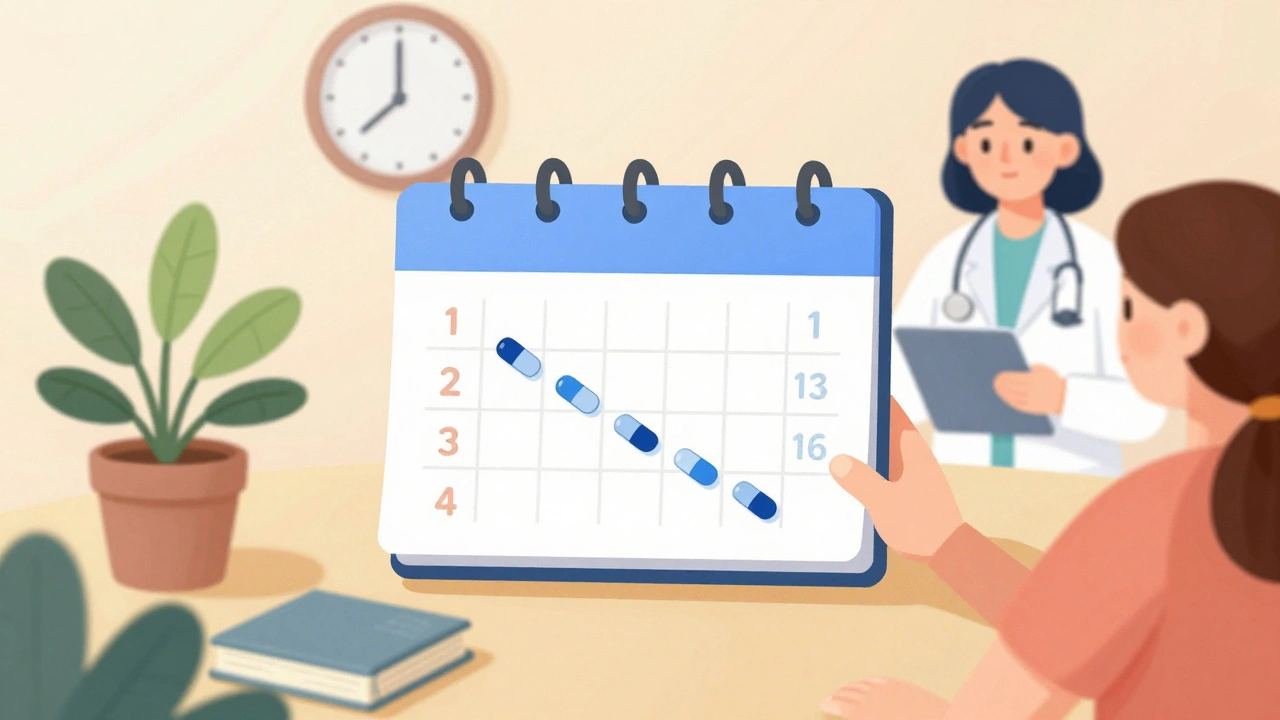
Stopping benzodiazepines cold turkey can be dangerous. If you’ve been taking them for more than a month-whether for anxiety, insomnia, or another reason-your body has adapted. Abruptly quitting can trigger seizures, panic attacks, hallucinations, or even life-threatening complications. The good news? You don’t have to quit all at once. With the right plan, most people can safely reduce their dose and regain control of their lives.
Why Tapering Matters
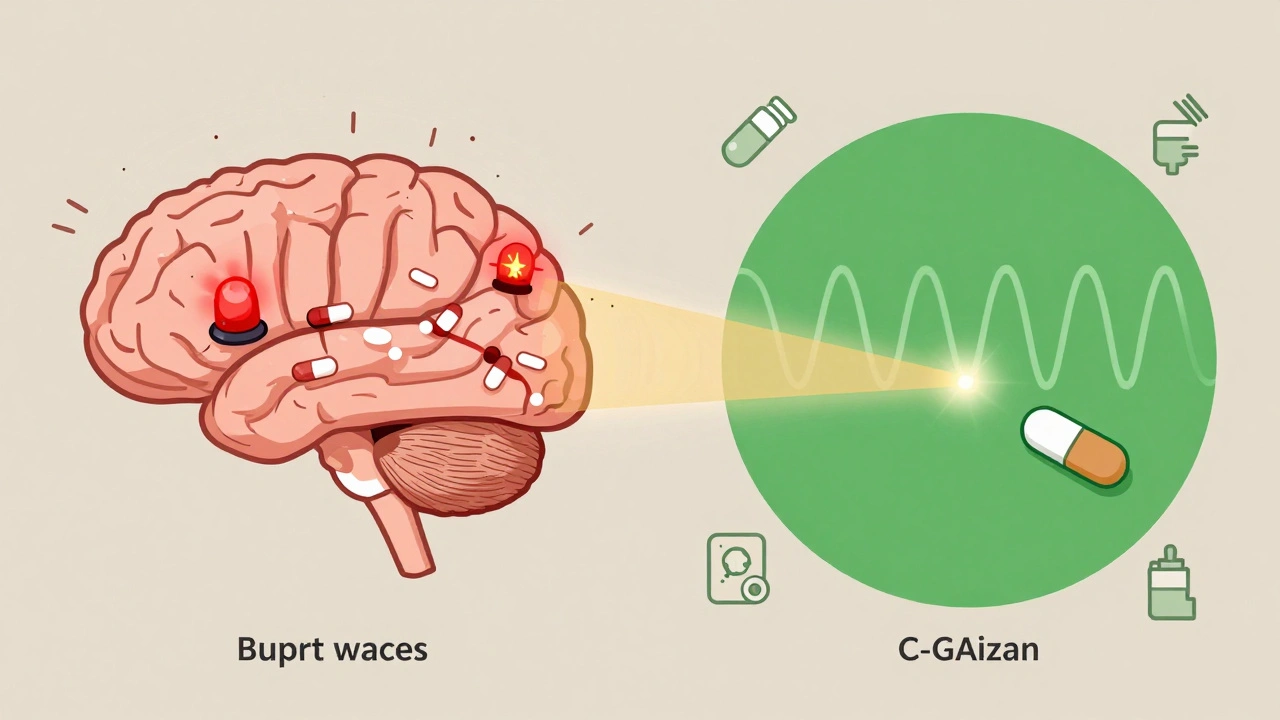
Benzodiazepines like Xanax, Valium, and Klonopin work fast. They calm your nervous system by boosting GABA, a brain chemical that slows down overactive signals. That’s why they’re effective for short-term anxiety or sleep issues. But over time, your brain starts relying on them to stay calm. When you stop suddenly, your brain doesn’t know how to turn its own calming system back on. That’s when withdrawal hits.According to the 2024 Joint Clinical Practice Guideline, over 17% of adults in the U.S. who use benzodiazepines take them long-term-more than 120 days. That’s millions of people at risk. The FDA updated labels in 2019 to warn doctors: gradual tapering is now the standard. Not just because it’s safer, but because it works better. People who taper slowly are far more likely to quit for good.
How Slow Should You Go?
There’s no single answer. Taper speed depends on how long you’ve been taking the drug, your dose, your age, and your overall health. But the safest starting point? Reduce your daily dose by 5% to 10% every 2 to 4 weeks.Here’s what major guidelines recommend based on duration of use:
- 2-8 weeks of use: taper over at least 2 weeks
- 8 weeks to 6 months: taper over at least 4 weeks
- 6 months to 1 year: taper over at least 8 weeks
- More than 1 year: taper over 6 to 18 months
For example, if you’ve been taking 2 mg of alprazolam daily for over a year, you might start by dropping to 1.8 mg every few weeks. That’s a tiny change-but it gives your brain time to adjust. Some people need even slower cuts, especially if they’ve been on high doses or have a history of substance use.
Switching to Diazepam: The Smart Move
Not all benzodiazepines are the same. Short-acting ones like alprazolam (Xanax) and lorazepam (Ativan) leave your system quickly. That means withdrawal symptoms can hit hard and fast between doses. Longer-acting ones like diazepam (Valium) stay in your body longer, smoothing out the ride.The 2024 guidelines recommend switching from short-acting benzos to diazepam before tapering. Why? Because diazepam has a predictable, gradual decline in blood levels. That reduces the spikes and crashes that make withdrawal worse.
Here’s a simple conversion guide:
- 1 mg alprazolam = 20 mg diazepam
- 1 mg lorazepam = 10 mg diazepam
- 0.5 mg clonazepam = 10 mg diazepam
Don’t try to do this yourself. Your doctor needs to calculate your new dose carefully. Once switched, you can then slowly reduce the diazepam by 5-10% every few weeks. Many people find this method far more tolerable than trying to taper off Xanax directly.
What to Expect During Withdrawal
Withdrawal symptoms aren’t the same for everyone. Some feel fine. Others struggle. Common signs include:- Increased anxiety or panic
- Insomnia or vivid dreams
- Tremors or muscle twitches
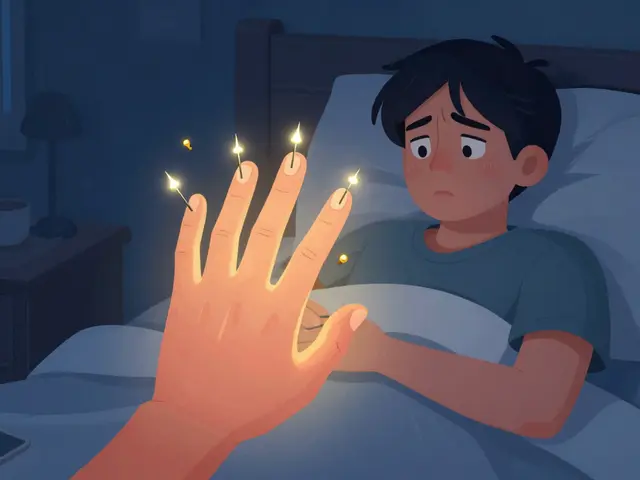
- Sensory changes (light sensitivity, tingling)
- Heart palpitations
- Nausea or dizziness
These usually peak within the first week after a dose reduction and then slowly fade. If symptoms get worse or you feel like you’re losing control, don’t panic. That doesn’t mean you failed. It means your taper might be too fast. Talk to your doctor. You can pause the taper, hold at your current dose for a few more weeks, then try again at a slower pace.
One major mistake people make? Trying to push through symptoms by adding caffeine, alcohol, or other drugs. That only makes things harder. Stick to your plan. Sleep, hydration, and gentle movement help more than you think.
Support Is Not Optional
Tapering isn’t just about pills. It’s about rewiring how you cope with stress. If you’ve been using benzos to manage anxiety, you need new tools. Cognitive behavioral therapy (CBT) is the most proven method. Studies show that when CBT is combined with tapering, success rates jump from 42% to nearly 68%.Find a therapist who understands benzodiazepine withdrawal. They can help you:
- Recognize triggers that make you reach for the pill
- Practice breathing and grounding techniques
- Rebuild confidence in managing anxiety without drugs
Peer support also makes a difference. The VA and other clinics now use peer-support providers-people who’ve been through this themselves. Talking to someone who knows what it feels like can reduce isolation and shame.
Who Should Avoid Tapering?
Tapering isn’t for everyone. Some people need to stay on a low dose long-term. That’s not weakness. It’s smart medicine. If you’ve tried everything else and benzos are the only thing keeping you functional, stopping might do more harm than good.Doctors recommend continuing treatment if:
- You have treatment-resistant anxiety or PTSD
- Previous attempts to taper led to severe relapse or hospitalization
- You’re on a very low dose (under 5 mg diazepam equivalent) and feel stable
Even then, review your need for the drug every 3-6 months. Ask yourself: Is this still helping? Or is it just something I’ve gotten used to?
What to Do Before You Start
Don’t just pick a date and go. Prepare properly:- See one prescriber only. Avoid multiple doctors or pharmacies.
- Use one pharmacy to fill all prescriptions. This prevents accidental overdoses.
- Ask for time-limited refills (e.g., weekly or biweekly). This reduces temptation.
- Get your blood work and mental health history reviewed. Treat any co-occurring conditions like depression or chronic pain first.
- Let your family or close friends know what you’re doing. Their support matters.
Some clinics now use digital tools-apps that track your mood, sleep, and symptoms daily. The NIH is funding research on one such app, with early results showing better adherence and fewer relapses. If your provider offers one, ask about it.

When to Slow Down-or Stop
You’re in charge of your pace. If you feel overwhelmed, pause. Hold your dose for 2-4 weeks. Then try again. There’s no race. The goal isn’t to quit fast. It’s to quit for good.Some people taper in 3 months. Others take 2 years. Both are valid. What matters is that you feel in control. If you’re constantly anxious about your next dose, you’re not ready. That’s a sign to slow down, not speed up.
And if you slip? If you take a dose after promising not to? Don’t beat yourself up. That’s normal. Just get back on track the next day. Recovery isn’t linear. It’s messy. And that’s okay.
What Comes After
Once you’re off benzos, your brain will need time to heal. Sleep may be poor for weeks. Anxiety might return. But over time, your natural GABA system rebuilds. Many people report feeling clearer-headed, more present, and more in control than they have in years.Keep using the tools you learned: therapy, exercise, mindfulness, routine. Stay connected. Avoid alcohol and recreational drugs-they can trigger relapse.
And remember: you’re not alone. Over 23% fewer veterans are on long-term benzos since 2020. More clinics are adopting these protocols. The tide is turning. Your decision to taper isn’t just personal-it’s part of a larger shift toward safer, smarter mental health care.
Can I taper off benzodiazepines on my own?
It’s not recommended. Benzodiazepine withdrawal can be dangerous, especially if you’ve been on high doses or for over a year. Seizures and psychosis are real risks. Always work with a doctor who understands tapering protocols. They can monitor your symptoms, adjust your plan, and help you switch to a safer medication like diazepam if needed.
How long does benzo withdrawal last?
Acute withdrawal symptoms usually peak within 1-2 weeks after a dose reduction and fade over 2-4 weeks. But some people experience protracted withdrawal-milder symptoms like anxiety, insomnia, or brain fog-that can last months. This is more common after long-term use. Slowing your taper reduces the chance of this. Patience is key.
Is diazepam the best drug for tapering?
For most people, yes. Diazepam has a long half-life and builds up slowly in the body, which smooths out withdrawal symptoms. It’s also available in low-dose tablets (2 mg, 5 mg, 10 mg), making precise reductions easier. Short-acting benzos like Xanax are harder to taper safely because their effects wear off quickly, causing rebound anxiety and physical symptoms.
Can I use sleep aids or anti-anxiety meds instead?
Some non-benzodiazepine options like SSRIs (e.g., sertraline) or buspirone can help with anxiety long-term. For sleep, melatonin, trazodone, or cognitive behavioral therapy for insomnia (CBT-I) are safer alternatives. But these aren’t quick fixes. They take weeks to work and are most effective when used alongside tapering-not as replacements during the process.
What if I feel worse after reducing my dose?
That’s a signal to slow down, not quit. Withdrawal symptoms often appear 3-7 days after a reduction. If they’re mild, give it time. If they’re severe or you’re having panic attacks, tremors, or confusion, contact your doctor. You may need to hold your dose longer or reduce by smaller amounts. Never increase your dose to feel better-it defeats the purpose.
Are there any risks to tapering too slowly?
Tapering too slowly can lead to obsession with the process, which may increase anxiety and make you feel stuck. Some people stay on tiny doses for years because they’re afraid to stop. The goal isn’t to stay on any dose forever-it’s to get off safely. If your taper lasts more than 18 months and you’re not making progress, talk to your doctor about reassessing your plan.



19 Comments
Also: CBT isn't optional. It's the reason I didn't relapse. Therapy taught me to sit with the anxiety instead of drowning it. You don't need to be fixed. You just need to be present.