Sleep Medication Overdose: Risks, Signs, and What to Do
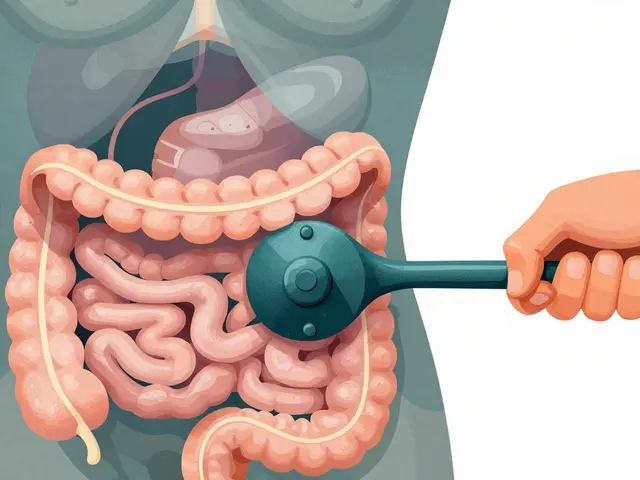
When someone takes too much of a sleep medication, a class of drugs designed to help with insomnia, including benzodiazepines, Z-drugs, and older sedatives. Also known as sleeping pill overdose, it can slow breathing to dangerous levels or stop it entirely. This isn’t rare — emergency rooms see hundreds of cases every year from people taking just a little extra, mixing with alcohol, or not knowing how strong the drug is.
Benzodiazepines, like diazepam or alprazolam, are commonly prescribed but carry high overdose risk when combined with opioids or alcohol. Even over-the-counter sleep aids with diphenhydramine can cause confusion, seizures, or heart rhythm problems in high doses. The Z-drugs, including zolpidem and eszopiclone, are often seen as safer but still cause overdose, especially in older adults or those with liver issues. Many people don’t realize that taking two pills instead of one — or doubling up because they didn’t fall asleep — is enough to cross the line into danger.
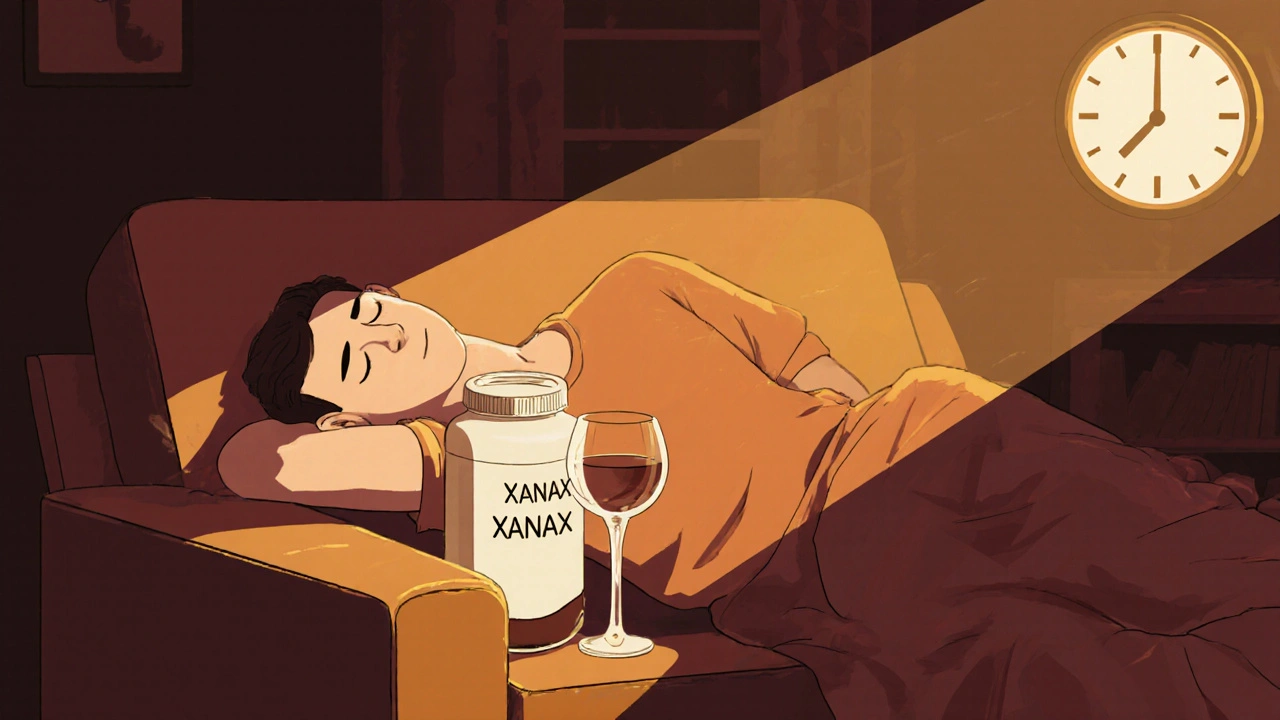
Signs of overdose aren’t always obvious at first. You might notice slow, shallow breathing, extreme drowsiness, slurred speech, or unresponsiveness. In severe cases, the person may turn blue, lose consciousness, or stop breathing. If you suspect an overdose, don’t wait. Call emergency services immediately. Naloxone won’t help here — this isn’t an opioid overdose. What’s needed is quick medical support: airway management, activated charcoal if it’s early enough, and sometimes flumazenil to reverse the sedative effects.
Most overdoses happen because of unintentional misuse. Someone takes a dose from an old prescription. They mix it with wine or painkillers. They think, "I just need a little more tonight." But the margin between a helpful dose and a dangerous one is thin — especially with older adults, people with liver disease, or those on multiple meds. The sleep medication overdose risk goes up fast when you don’t know what you’re taking or why.
Prevention starts with knowing your meds. Never take more than prescribed. Don’t mix with alcohol or other sedatives. Keep pills locked up if kids or others are around. Talk to your doctor if you’re relying on sleep aids long-term — there are safer, non-drug ways to improve sleep. And if you’ve ever felt like you can’t sleep without pills, that’s a sign to get help before it turns into something worse.
Below, you’ll find real-world guides on how these drugs work, what alternatives exist, and how to spot hidden dangers before they become emergencies. From drug monitoring systems to side effect tracking, these posts give you the facts you need to stay safe — not just informed.
How to Recognize Overdose from Sedatives and Sleep Medications
Learn how to spot the signs of a sedative or sleep medication overdose before it’s too late. From unresponsiveness to slow breathing, knowing what to look for can save a life.
view more