Beers Criteria: What Every Older Adult and Caregiver Needs to Know
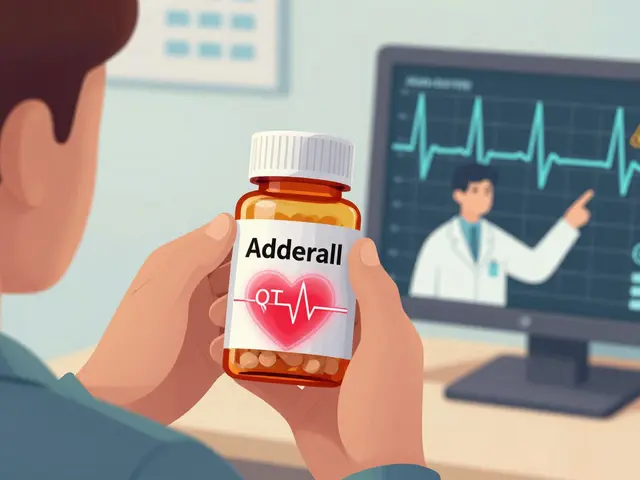
When you’re over 65, your body processes drugs differently. That’s why the Beers Criteria, a widely used list of potentially inappropriate medications for older adults. Also known as the AGS Beers Criteria, it’s updated every few years by the American Geriatrics Society to help doctors and patients avoid drugs that cause more harm than good. Many seniors take multiple pills for different conditions — a practice called polypharmacy — and some of those drugs can lead to falls, confusion, kidney damage, or even death. The Beers Criteria cuts through the noise by calling out specific medications that are too risky for older adults, even if they were fine when they were younger.
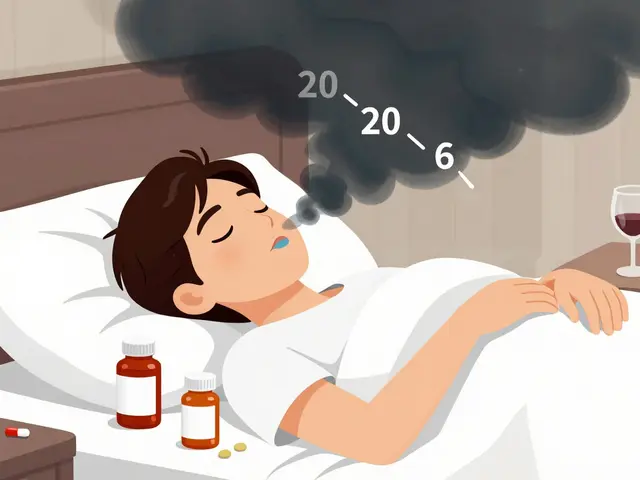
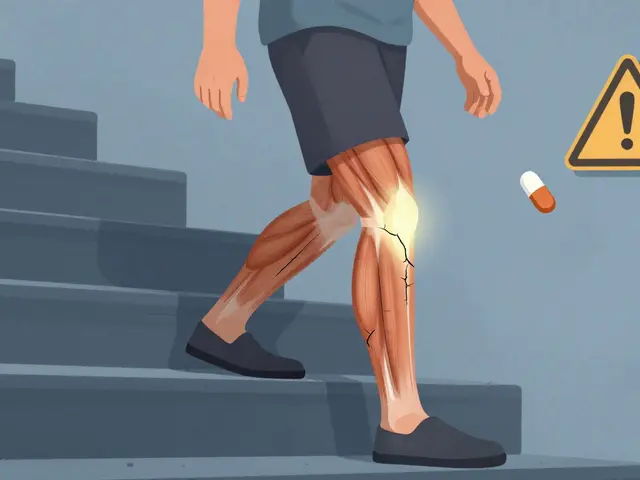
It’s not just about avoiding one bad drug. The Beers Criteria also highlights drug interactions, how certain medications clash when taken together, and conditions that make certain drugs dangerous, like using anticholinergics if you have glaucoma or dementia. For example, diphenhydramine (Benadryl) is still sold as a sleep aid, but it’s on the Beers list because it causes drowsiness, memory problems, and urinary retention in seniors. Same with long-acting benzodiazepines like diazepam — they increase fall risk by 50%. These aren’t hypothetical risks. Real people end up in the ER because of them.
Doctors don’t always know the Beers Criteria inside out. Many still prescribe these drugs out of habit, or because they’re unaware of safer alternatives. That’s why this list matters — it puts power back in your hands. If you or a loved one is on a medication listed in the Beers Criteria, ask: Is this still necessary? Is there a safer option? Can we try reducing the dose? The posts below show real cases where switching from risky drugs to safer ones improved balance, clarity, and quality of life. You’ll find guides on how to talk to your pharmacist, what to ask during a med review, and which common prescriptions are actually on the list. This isn’t about fear. It’s about making smarter choices so you can stay healthy, independent, and in control.
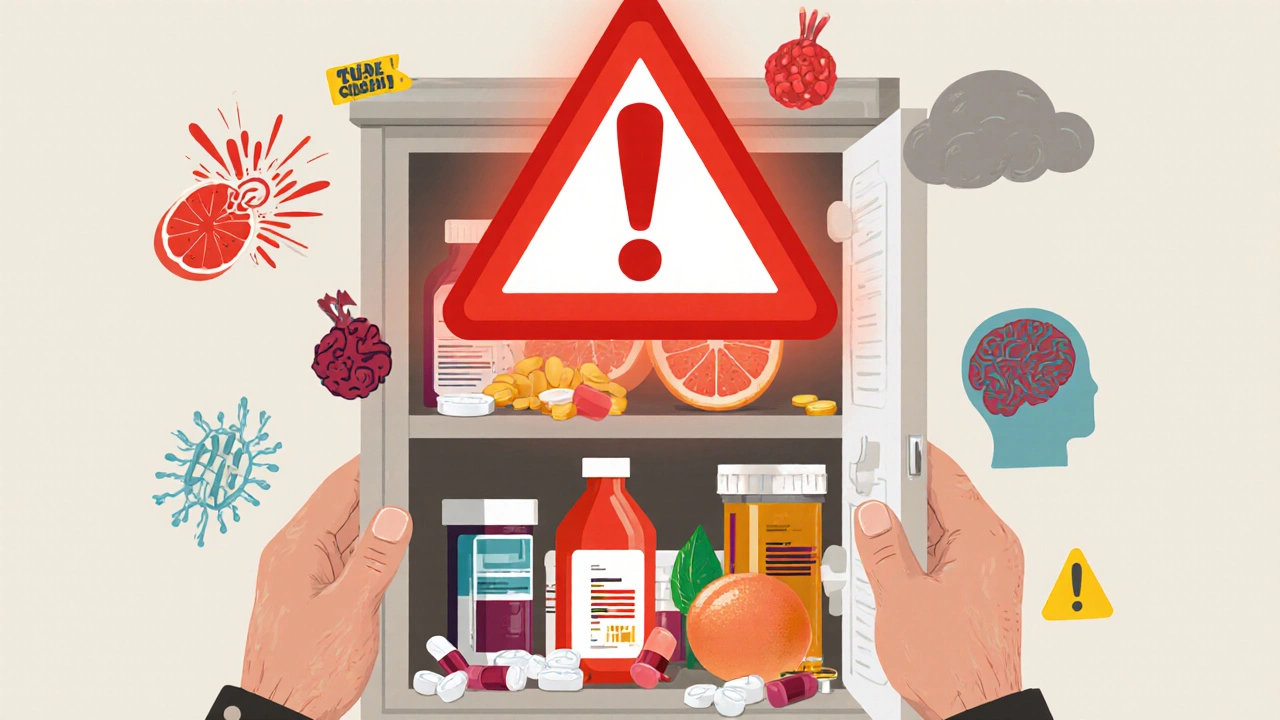
Polypharmacy Risk Checklist: Spot Dangerous Drug Combinations Before It's Too Late
Polypharmacy increases the risk of dangerous drug interactions, falls, and hospitalizations in older adults. Learn how to spot high-risk medication combinations using a simple checklist based on the Beers Criteria and real-world data.
view more