Imagine spending a decade telling doctors you're in pain, only to be told it's "all in your head" or that you just have a stubborn bladder infection. For millions of women, this isn't a bad dream-it's the reality of living with chronic pelvic pain. When the pain centers around the bladder and pelvis, two main culprits usually emerge: Endometriosis is a condition where tissue similar to the lining of the uterus grows outside the womb, often attaching to organs like the bladder or bowels. On the other side, we have Interstitial Cystitis, also known as Bladder Pain Syndrome (BPS), which is a chronic inflammatory condition of the bladder wall that causes pressure and pain without a clear bacterial infection.
Experts often call these two the "evil twins" because they look almost identical from the outside. Both cause urgency, frequency, and deep pelvic aching. In fact, a study by Chung et al. found that 65% of women with chronic pelvic pain actually have both conditions at the same time. If you've been struggling to get a clear answer, you're not alone. The diagnostic delay for endometriosis can stretch to 10 years, while IC patients often wait 3 to 5 years for a correct label. The goal here is to help you spot the differences and know exactly which specialists to push for.
How to Tell the Difference: Symptoms and Clues
At first glance, the symptoms overlap so much it's dizzying. Both can make you feel like you need to pee every ten minutes and can make sex painful. But if you look closer, there are a few "smoking guns" that can help point you in the right direction.
For most women, pelvic pain in women linked to endometriosis follows a calendar. If your pain spikes dramatically right before or during your period, it's a huge red flag for endometriosis. About 92% of these patients report cyclical pain. On the other hand, Interstitial Cystitis (IC) pain is more constant. While it can flare up during your period, it doesn't strictly follow the menstrual cycle. It's more about bladder filling; the pain hits when the bladder is full and feels better immediately after you empty it.
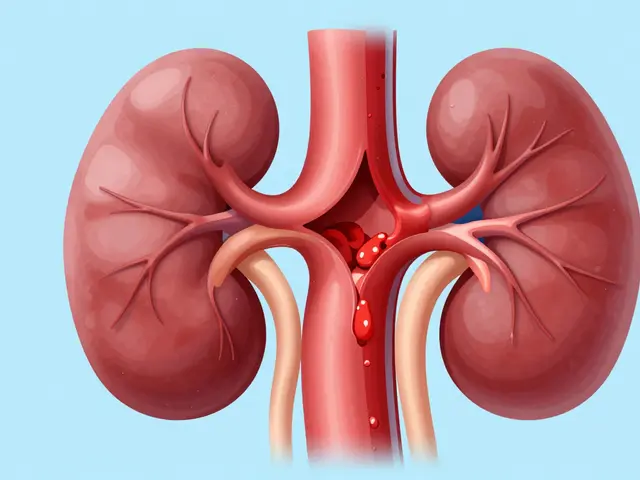
Another critical clue is blood in the urine (hematuria). If you see blood but your tests show no infection, it's more likely to be bladder endometriosis-where the uterine-like tissue has actually invaded the bladder wall. This happens in about 20-30% of those cases, whereas it's very rare (less than 5%) in pure IC.
| Feature | Endometriosis (Bladder-involved) | Interstitial Cystitis (IC/BPS) |
|---|---|---|
| Pain Pattern | Cyclical (worse during menses) | Constant/Filling-related |
| Urinary Urgency | Common | Very High / Primary symptom |
| Blood in Urine | Occurs in 20-30% of cases | Rare (<5%) |
| Diagnosis Method | Laparoscopic Surgery (Gold Standard) | Diagnosis of Exclusion |
| Average Delay | 7-10 Years | 3-5 Years |
The Diagnostic Maze: Why It Takes So Long
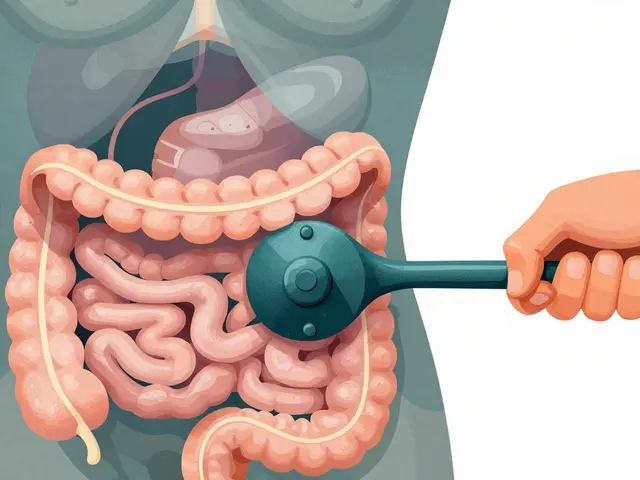
Why is it so hard to get a diagnosis? Because the tools we use for one don't work for the other. To confirm endometriosis, you can't rely on an ultrasound or a blood test. The only way to know for sure is through Laparoscopy, a minimally invasive surgery where a doctor actually sees and removes the lesions. This is the gold standard. If a doctor tells you "your scans are clear, so you don't have endo," remember that scans often miss deep infiltrating endometriosis.
IC is even trickier because there is no single "test" for it. It's a diagnosis of exclusion. This means doctors have to rule out about 12 other things first, like bladder cancer, STIs, and recurrent UTIs. Many women are trapped in a cycle of taking antibiotics for "UTIs" that never actually go away because the inflammation is caused by IC, not bacteria. In one survey, 41% of women received antibiotics over five times before finally getting an IC diagnosis.
Some doctors use the Potassium Sensitivity Test (PST), which involves putting a solution into the bladder to see if it causes pain. While it has about 80% sensitivity, it's not perfect and can produce false negatives. More often, doctors use the Pelvic Pain and Urgency/Frequency (PUF) scale. If you're scoring an 8 or higher on that scale, your doctor should be seriously considering IC.
The Connection: Why You Might Have Both
It's not an "either/or" situation. In fact, women with endometriosis are up to four times more likely to develop IC. Why? It usually comes down to Pelvic Floor Dysfunction. When you're in chronic pain, your pelvic muscles instinctively tighten to "protect" the area. Over time, these muscles stay contracted, which puts pressure on the bladder and nerves, creating a secondary layer of pain.
Research shows that 92% of patients with either condition suffer from this muscle dysfunction. This creates a vicious cycle: the endometriosis causes pain, the muscles tighten, the tightness irritates the bladder (leading to IC symptoms), and the bladder pain makes the muscles tighter. This is why treating just one condition often doesn't work. If you have the lesions removed but your pelvic floor is still in a "clench," you'll still feel the pain.
Treatment Paths and Professional Help
Getting the right help depends on who is holding the scalpel or the prescription pad. For endometriosis, you need a surgeon trained in Deep Excision Surgery. Not all OB/GYNs are trained in this; in the US, only about 15% have this specific expertise. Standard "ablation" (burning the surface) often leaves the roots of the disease behind, which is why many women experience the pain returning after a few months.
For IC, the approach is more about management. This includes dietary changes (avoiding "trigger foods" like caffeine, citrus, and artificial sweeteners), bladder instillations, and medications. One common drug, pentosan polysulfate sodium (Elmiron), was the first FDA-approved treatment, though it's important to discuss the risks of retinal toxicity with your doctor if you're using it long-term.
The most successful outcome usually comes from a multidisciplinary team. This means working with a urogynecologist (a specialist in both urinary and female reproductive systems) and a pelvic floor physical therapist. A therapist can help you "down-train" those tight muscles, which often reduces the urgency and frequency associated with IC.
Practical Steps for Your Next Appointment
If you're currently in the middle of the diagnostic struggle, stop accepting "normal" test results as a final answer. Start tracking your symptoms with a voiding diary-note how often you pee, how much you drink, and exactly where the pain is. Use a calendar to mark your periods and correlate them with your pain spikes.
When you go to your doctor, ask these specific questions:
- "Since my symptoms are cyclical, could this be deep infiltrating endometriosis affecting my bladder?"
- "Can we perform a pelvic floor exam to see if my muscles are contributing to the bladder urgency?"
- "If we are treating this as IC, what other conditions are we ruling out to ensure this isn't something else?"
Can I have endometriosis without having periods?
Yes. While cyclical pain is a common sign, some women experience constant pain or no periods at all (due to menopause or other conditions) and still have endometriosis. The tissue can still respond to hormones or cause inflammation regardless of whether you have a monthly bleed.
Is a cystoscopy enough to rule out endometriosis?
No. A cystoscopy allows a doctor to see the inside of the bladder, but endometriosis often grows on the outside of the bladder wall or deep in the pelvic ligaments. A "clear" cystoscopy does not mean you don't have endometriosis; only laparoscopic surgery can definitively rule it out.
What are the most common IC trigger foods?
While triggers vary by person, the most common are highly acidic foods (citrus fruits, tomatoes), caffeine, alcohol, and artificial sweeteners. Many patients find relief by following a "bladder-friendly" diet for a few weeks to see which foods cause flares.
Can pelvic floor therapy actually cure these conditions?
Physical therapy doesn't "cure" the underlying endometriosis (which requires surgery) or the IC (which is a chronic condition), but it can significantly reduce the severity of the pain. By relaxing the pelvic floor muscles, you can reduce the pressure on your bladder and decrease the frequency of urgency episodes.
Why do I keep getting UTIs that don't respond to antibiotics?
This is a classic sign of IC. Because the bladder lining is inflamed, it mimics the feeling of a urinary tract infection (burning, urgency). However, since there are no actual bacteria present, antibiotics won't help. If you've had three or more "UTIs" in a year that didn't clear up, you should ask about IC or bladder endometriosis.