Benzodiazepine Overdose: Signs, Risks, and What to Do
When someone takes too much of a benzodiazepine, a class of prescription sedatives used for anxiety, insomnia, or seizures. Also known as benzos, these drugs slow down the central nervous system. Used as directed, they’re safe. But when taken in excess—or mixed with other depressants—they can shut down breathing and lead to coma or death.
A benzodiazepine overdose, often occurs when people take more than prescribed, combine it with alcohol or opioids, or misuse it recreationally. It’s not always obvious at first. Early signs include dizziness, slurred speech, extreme drowsiness, and confusion. But it can quickly turn dangerous: shallow breathing, blue lips, unresponsiveness, or loss of consciousness mean it’s an emergency. The risk goes up sharply if someone is elderly, has liver problems, or takes long-acting benzos like diazepam. Even if someone seems "just really sleepy," don’t wait. If you suspect an overdose, call emergency services right away. Naloxone won’t work here—it’s for opioids. But quick medical help can save a life with airway support and, in some cases, the antidote flumazenil.
Many people don’t realize how common these overdoses are. In fact, benzodiazepines show up in nearly 30% of fatal drug overdose cases in the U.S., often alongside opioids or alcohol. That’s why doctors now avoid prescribing them long-term, especially for older adults. The body builds tolerance, so people end up taking more to feel the same effect. And mixing them with painkillers or sleep aids? That’s a recipe for disaster. Even over-the-counter sleep meds can make things worse.
You might think a single pill won’t hurt—but with benzos, it’s not just about the dose. It’s about what else is in your system. Someone who takes one Xanax after a few beers might not feel anything unusual. But their breathing could already be slowing down. That’s why it’s so easy to miss the danger until it’s too late.
What you’ll find in the posts below are real, practical guides on drug safety, side effects, and how medications interact. You’ll see how other drugs like beta-blockers, statins, and even antibiotics can change how your body handles sedatives. You’ll learn about lab monitoring, how aging affects drug processing, and why some people are at higher risk. This isn’t theory. It’s what happens in real life when safety gets overlooked.
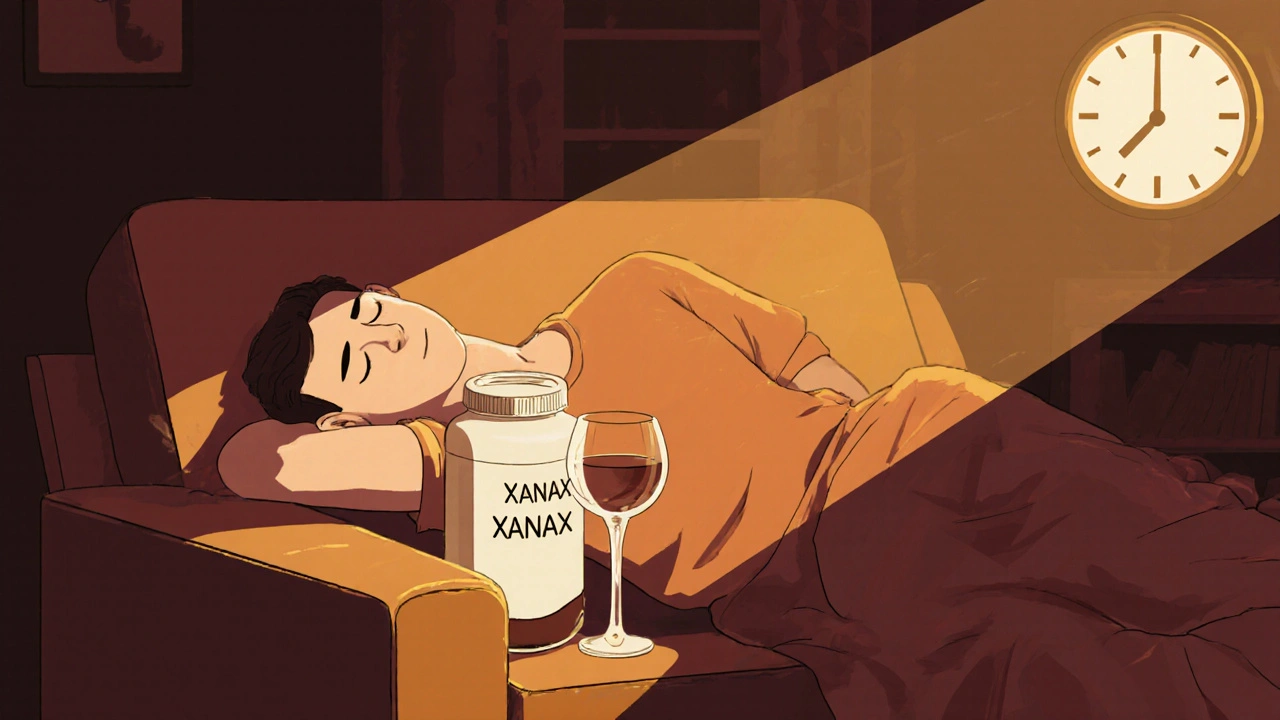
How to Recognize Overdose from Sedatives and Sleep Medications
Learn how to spot the signs of a sedative or sleep medication overdose before it’s too late. From unresponsiveness to slow breathing, knowing what to look for can save a life.
view more